Publications

Research articles, reviews, and related publications from our lab.

Recent papers

Publications are listed in reverse chronological order.

Browse by year

2025

2 papers
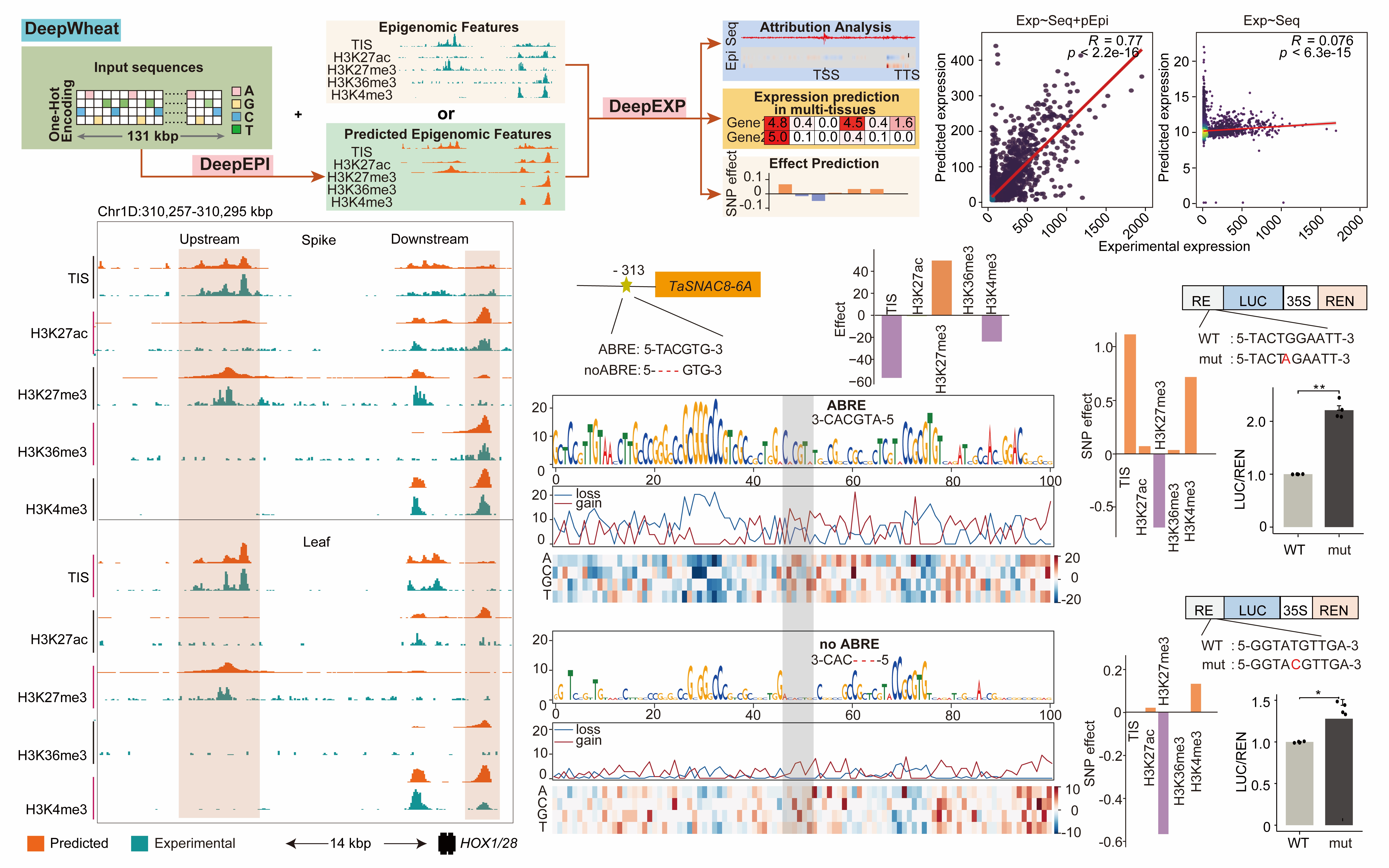
DeepWheat: predicting the effects of genomic variants on gene expression and regulatory activities across tissues and varieties in wheat using deep learning
Genome Biology September 30, 2025

DeepWheat: predicting the effects of genomic variants on gene expression and regulatory activities across tissues and varieties in wheat using deep learning

Zhigang Ma†, Jiazi Zhang†, Hongcui Pei†, Yanhong Liu, Hongning Tong, Lei Wang & Zefu Lu*

Spatiotemporal gene expression shapes key agronomic traits, yet tissue-specific prediction remains challenging in complex crops. We present DeepWheat, a broadly applicable deep learning framework comprising DeepEXP and DeepEPI, for accurate, tissue-specific gene expression prediction. DeepEXP integrates sequence and epigenomic features to predict gene expression (PCC 0.82–0.88), while DeepEPI predicts epigenomic maps from DNA sequence to support model transfer across varieties. Validations in five wheat cultivars confirm robustness and accuracy. DeepWheat also identifies regulatory variants with strong expression effects, enabling targeted cis-regulatory elements editing and offering a powerful tool for crop functional genomics and breeding.
The wheat transcription factor Q functions in gibberellin biosynthesis and signaling and regulates height and spike length
The Plant Cell July 29, 2025

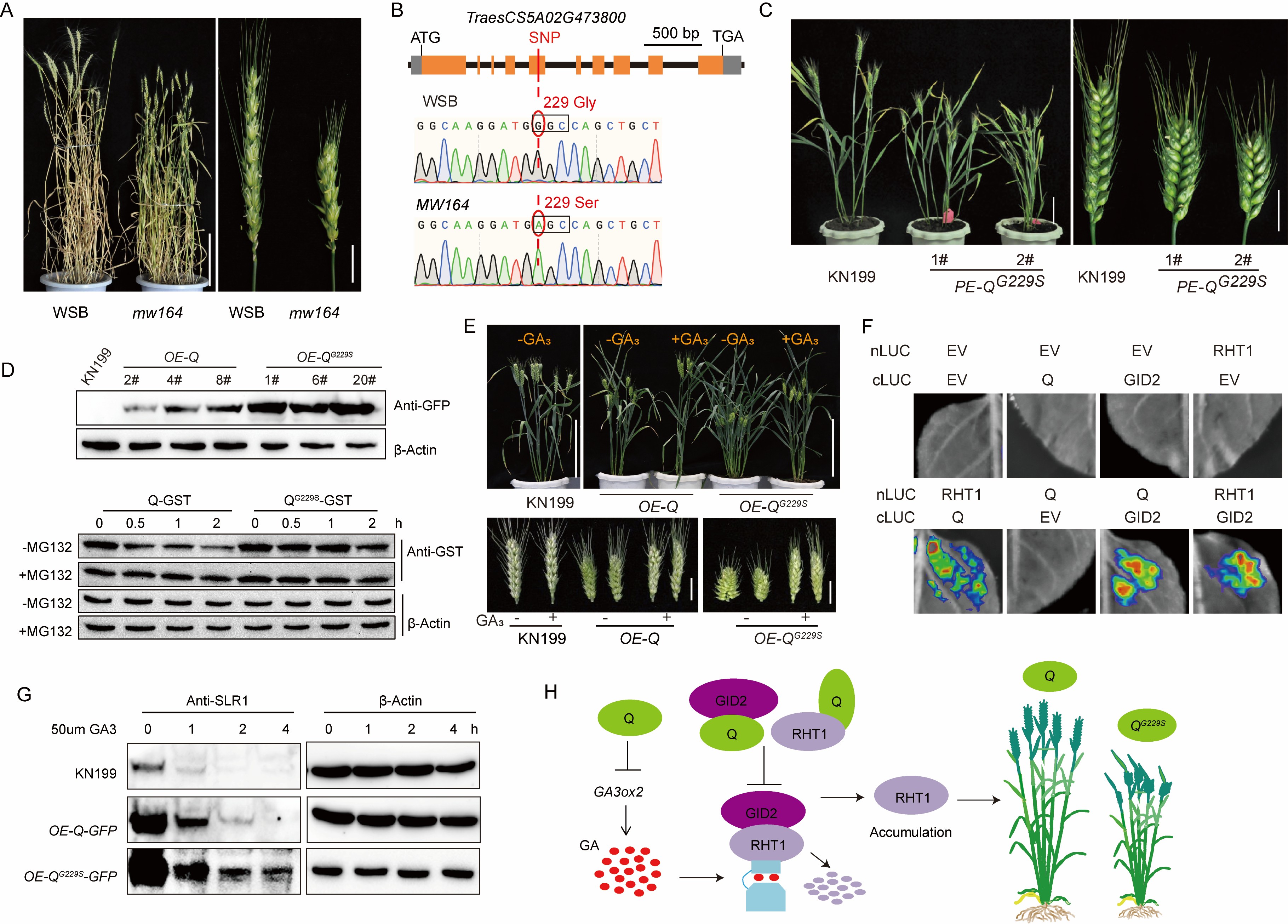
The wheat transcription factor Q functions in gibberellin biosynthesis and signaling and regulates height and spike length

Pan Liu†, Shulin Xue†, Jizeng Jia†, Guangyao Zhao, Jie Liu, Yanzhen Hu, Cuizheng Kong, Dong Yan, Huan Wang, Xu Liu*, Zefu Lu*, Lifeng Gao*

The Q gene is a key domestication gene in wheat (Triticum aestivum) that regulates free-threshing habit, spike morphology, height, and other critical agronomic traits. However, the precise molecular mechanisms underlying its function remain unclear. In this study, we identified a Q allele with a missense mutation (G to A) in the fifth exon of the Q gene, resulting in reduced plant height and spike length. Further investigation revealed that this mutation causes a Gly-229-Ser amino acid substitution, which enhances Q protein stability. Furthermore, we discovered that Q directly binds to the promoter region of Gibberellin 3-oxidase 2 gene (TaGA3ox2) and represses its expression. Moreover, Q interacts with both REDUCED HEIGHT1 (RHT1) and GIBBERELLIN INSENSITIVE 2 (TaGID2), which may disrupt GID2-triggered RHT1 degradation. Collectively, these findings reveal the dual roles of Q in regulating both GA biosynthesis and signaling, providing insights into the molecular mechanisms through which Q modulates plant height and spike length in wheat.

2024

1 paper
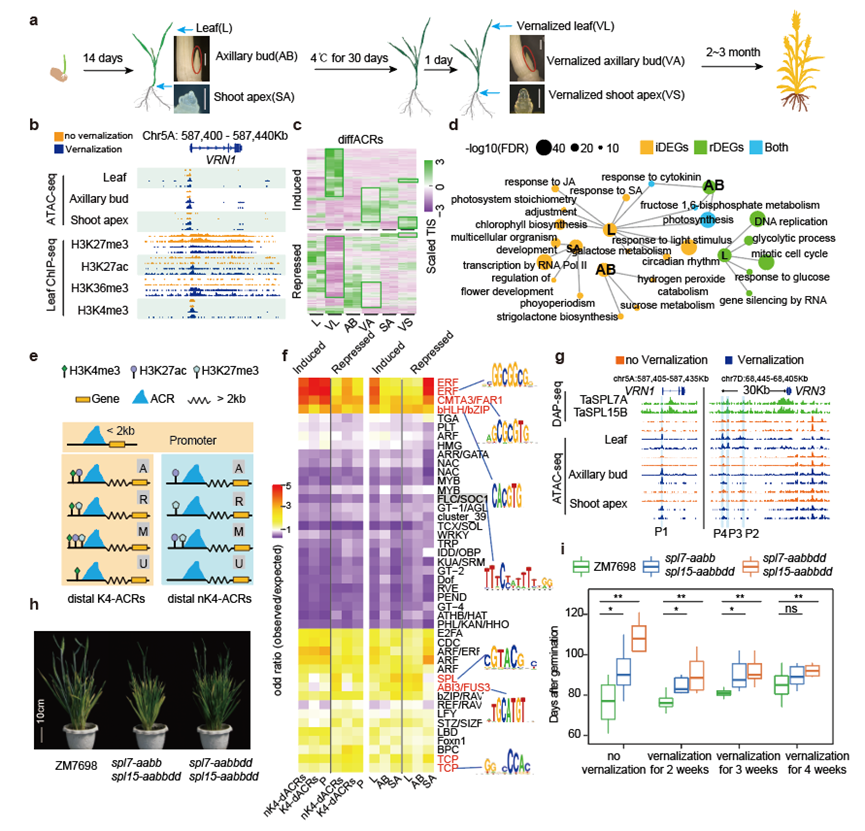
Epigenomic identification of vernalization cis-regulatory elements in winter wheat
Genome Biology July 30, 2024

Epigenomic identification of vernalization cis-regulatory elements in winter wheat

Yanhong Liu†, Pan Liu†, Lifeng Gao†, Yushan Li, Xueni Ren, Jizeng Jia, Lei Wang, Xu Zheng, Yiping Tong, Hongcui Pei* & Zefu Lu*

Winter wheat requires prolonged cold exposure for vernalization, but the cis-regulatory elements and molecular mechanisms underlying this process have remained unclear. This study generated integrated epigenomic and transcriptomic profiles from leaf, axillary bud, and shoot apex tissues during vernalization. The authors found that epigenetic regulation drives tissue-specific responses and subgenome-divergent expression patterns, with H3K27me3 mainly associated with vernalization-induced genes. By integrating these datasets, they identified 10,600 putative vernalization-related regulatory elements, including distal accessible chromatin regions located 30 kb upstream of VRN3. The study further showed that TaSPL7/15 from the aging-related flowering pathway bind the VRN1 promoter and distal regulatory elements of VRN3, thereby modulating their expression and influencing vernalization and flowering. These findings provide a valuable resource for understanding wheat vernalization and for developing germplasm with diverse vernalization traits.

2023

1 paper
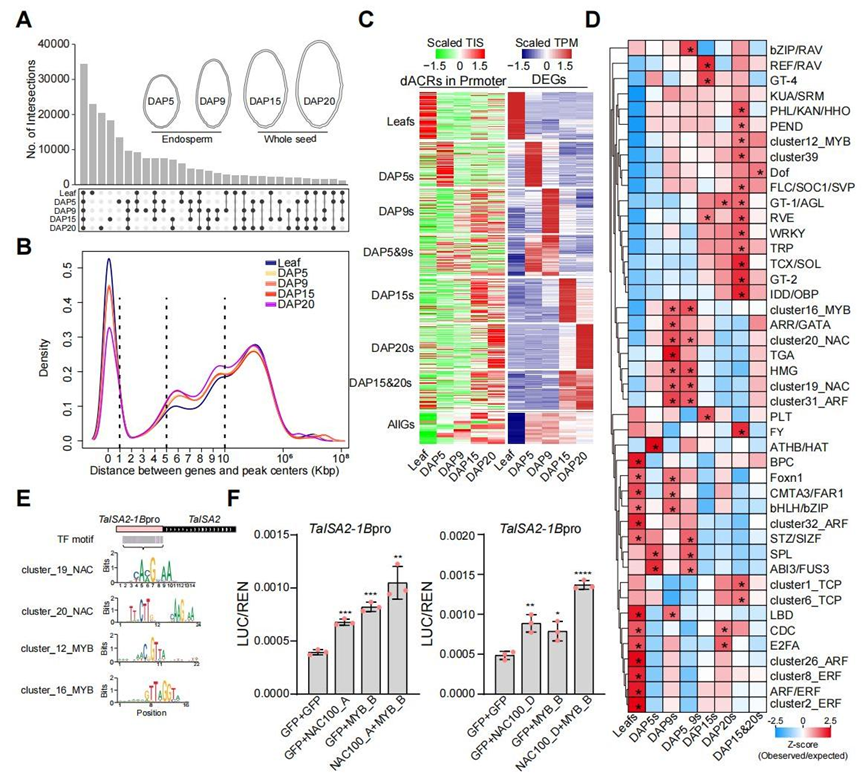
Chromatin accessibility landscapes revealed the subgenome-divergent regulation networks during wheat grain development
Abiotech March 1, 2023

Chromatin accessibility landscapes revealed the subgenome-divergent regulation networks during wheat grain development

Hongcui Pei†, Yushan Li†, Yanhong Liu, Pan Liu, Jialin Zhang, Xueni Ren, Zefu Lu*

Development of wheat (Triticum aestivum L.) grain mainly depends on the processes of starch synthesis and storage protein accumulation, which are critical for grain yield and quality. However, the regulatory network underlying the transcriptional and physiological changes of grain development is still not clear. Here, we combined ATAC-seq and RNA-seq to discover the chromatin accessibility and gene expression dynamics during these processes. We found that the chromatin accessibility changes are tightly associated with differential transcriptomic expressions, and the proportion of distal ACRs was increased gradually during grain development. Specific transcription factor (TF) binding sites were enriched at different stages and were diversified among the 3 subgenomes. We further predicted the potential interactions between key TFs and genes related with starch and storage protein biosynthesis and found different copies of some key TFs played diversified roles. Overall, our findings have provided numerous resources and illustrated the regulatory network during wheat grain development, which would shed light on the improvement of wheat yields and qualities.

2022

1 paper
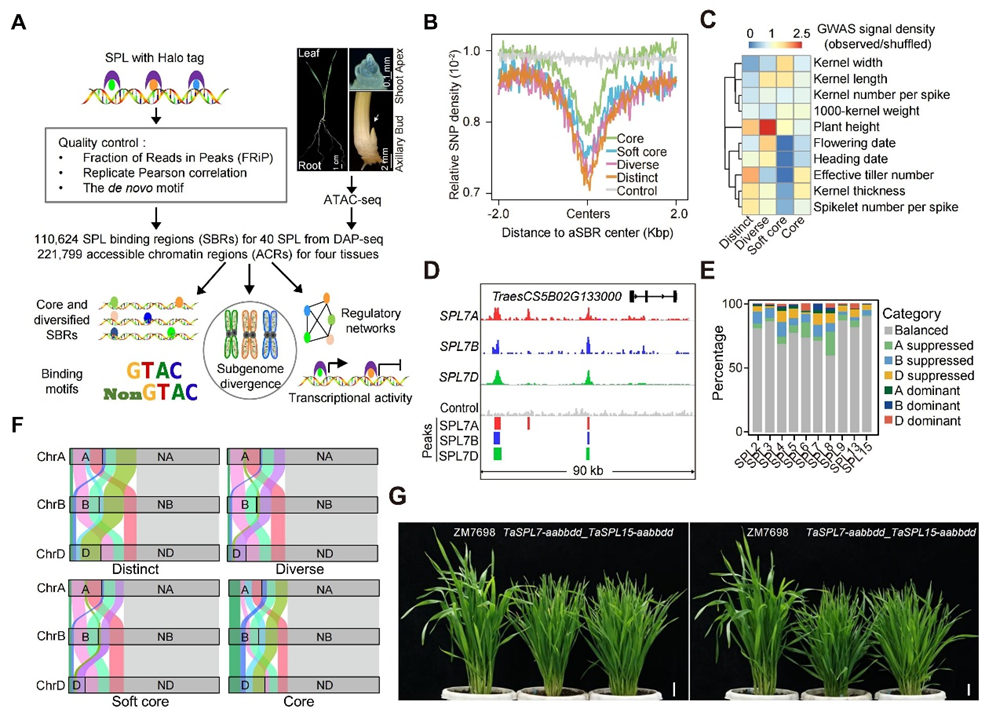
Low-affinity SPL binding sites contribute to subgenome expression divergence in allohexaploid wheat
Science China Life Sciences November 18, 2022

Low-affinity SPL binding sites contribute to subgenome expression divergence in allohexaploid wheat

Hongcui Pei†, Wan Teng†, Lifeng Gao†, Hengbin Gao, Xueni Ren, Yanhong Liu, Jizeng Jia, Yiping Tong, Yonghong Wang* & Zefu Lu*

Expression divergence caused by genetic variation and crosstalks among subgenomes of the allohexaploid bread wheat (Triticum aestivum. L., BBAADD) is hypothesized to increase its adaptability and/or plasticity. However, the molecular basis of expression divergence remains unclear. Squamosa promoter-binding protein-like (SPL) transcription factors are critical for a wide array of biological processes. In this study, we constructed expression regulatory networks by combining DAP-seq for 40 SPLs, ATAC-seq, and RNA-seq. Our findings indicate that a group of low-affinity SPL binding regions (SBRs) were targeted by diverse SPLs and caused different sequence preferences around the core GTAC motif. The SBRs including the low-affinity ones are evolutionarily conserved, enriched GWAS signals related to important agricultural traits. However, those SBRs are highly diversified among the cis-regulatory regions (CREs) of syntenic genes, with less than 8% SBRs coexisting in triad genes, suggesting that CRE variations are critical for subgenome differentiations. Knocking out of TaSPL7A/B/D and TaSPL15A/B/D subfamily further proved that both high- and low-affinity SBRs played critical roles in the differential expression of genes regulating tiller number and spike sizes. Our results have provided baseline data for downstream networks of SPLs and wheat improvements and revealed that CRE variations are critical sources for subgenome divergence in the allohexaploid wheat.